ArtPromptGenerator
✦ Myths, Legends & Folklore Studio

Mythology Art Prompt Generator

Turn timeless stories into art of your own.

Our mythology art prompt generator helps you imagine gods, legendary heroes and folklore scenes. Choose a tradition, add a meaningful setting, and shape a drawing or illustration with mood, lighting and style.

10 myth and folklore themesTradition, story & lighting controlsFor drawing, painting & concept art
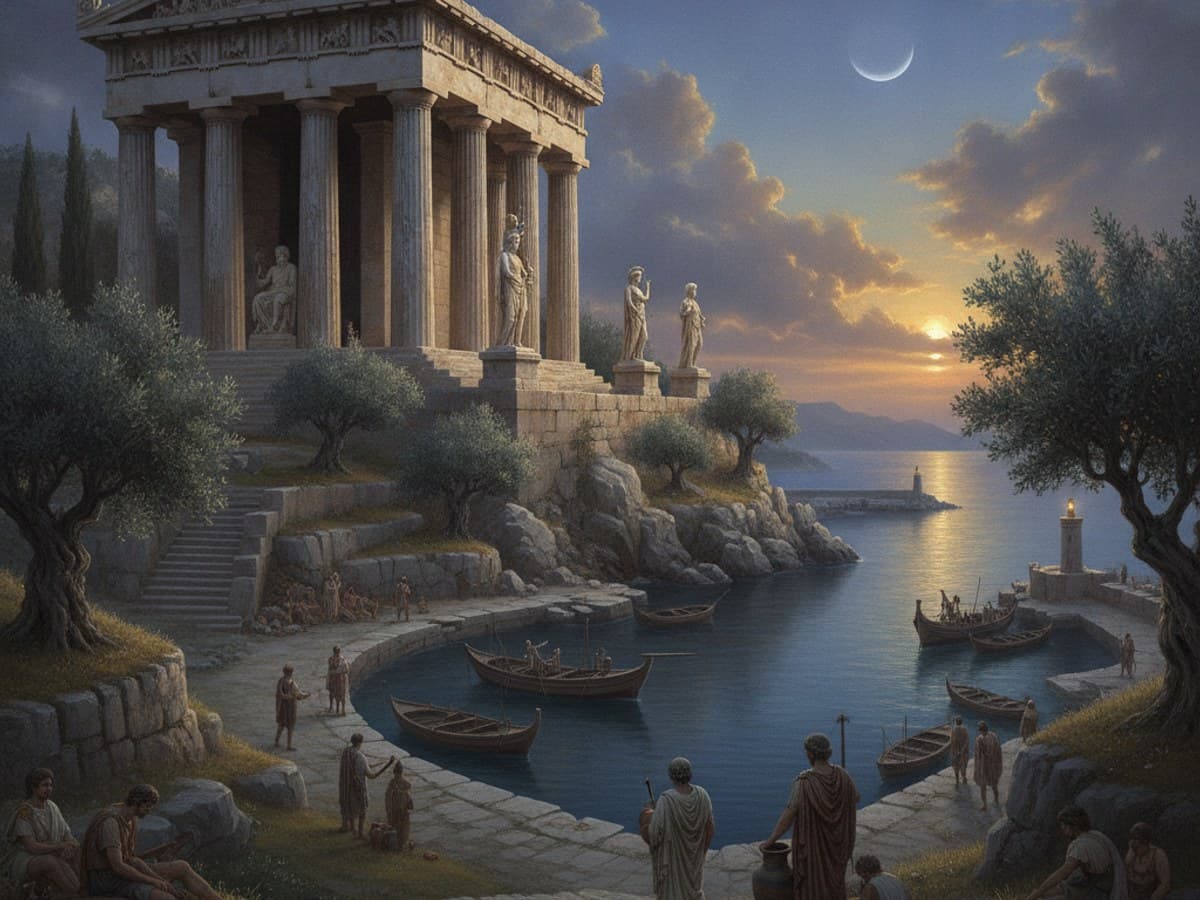
Classical temple overlooking an ancient Aegean harbor at dusk with carved ionic columns, olive trees and a crescent moon
Classical Sanctuary

Timeless sacred architecture, twilight illumination and evocative mythological atmosphere

✦ Studio Workspace

Give an old story a new frame

Choose a mythological tradition, adjust the subject and atmosphere, and shape written drawing and concept-art ideas.

1. Choose a myth or folklore theme

Select a tradition to anchor visual storytelling and cultural details.

10 Themes

2. Canvas format

Create detailed art prompts you can use with your favorite AI image generator.

Canvas Aspect Ratio

3. Set the story, setting and style

Tune the sacred tradition, narrative moment, environment and lighting controls.

Optional Advanced Controls & Engine FlagsSpecific narrative details, iconography, artifacts and engine parameters
▼
Six myth-inspired drawing ideas

Mythology Drawing Prompts & Folklore Art Ideas

Use these original scene ideas as starting points for sketching, illustration and concept art. Each one identifies its tradition so you can explore the story behind the image before making creative changes.

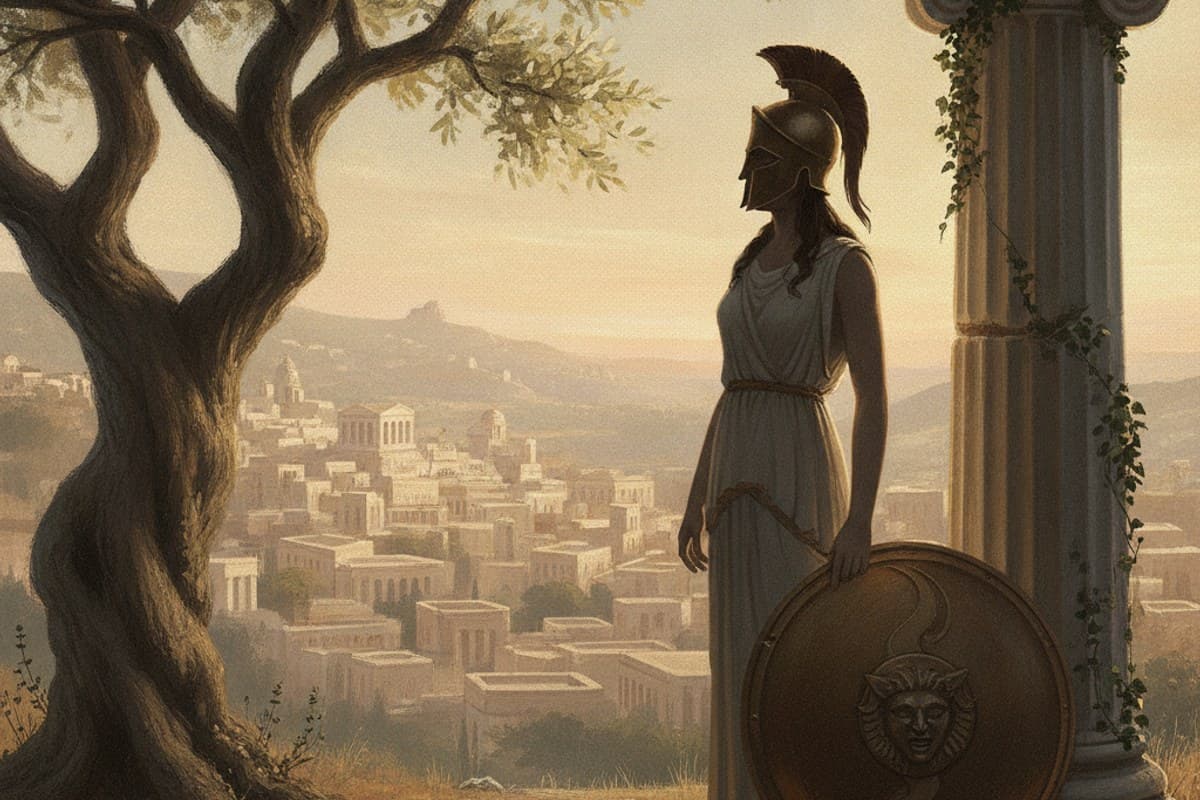
Athena at the Olive Grove: myth-inspired illustration of Athena standing beneath an ancient olive tree overlooking a classical stone city at first light
Greek Mythology

Athena at the Olive Grove

A myth-inspired illustration of Athena standing beneath an olive tree at first light, looking over a hillside city of pale stone. Keep her silhouette calm and deliberate, with a shield resting beside a weathered column. Use restrained olive green, marble cream and dawn gold; compose the scene with the figure in the foreground and rooftops receding into atmospheric haze.

Creative Interpretation
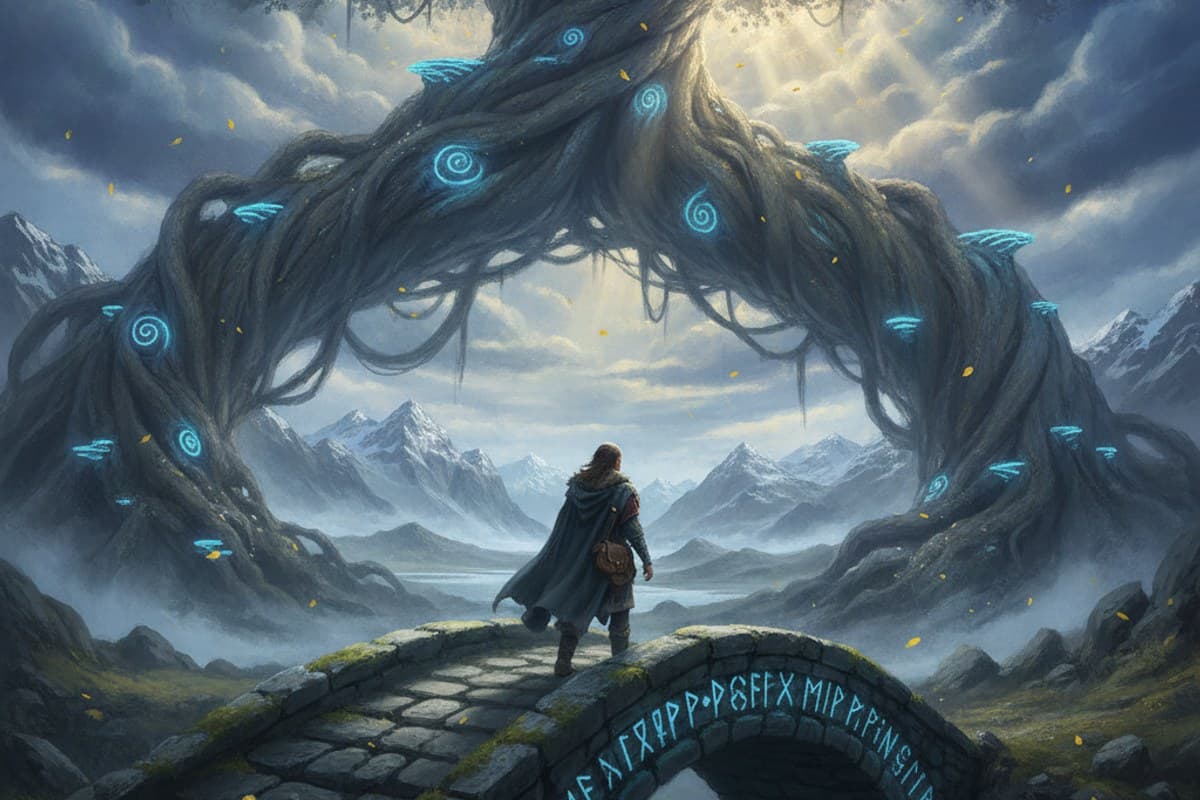
The Watch at Yggdrasil: traveler crossing a moss-covered runic bridge beneath the colossal roots and branches of the Yggdrasil world tree in silver mist
Norse Mythology

The Watch at Yggdrasil

Imagine a traveler crossing a moss-covered bridge beneath an immense ash tree inspired by Yggdrasil. Small runelike carvings mark the bridge, and distant mountains fade into silver mist. Focus on scale, layered branches and a quiet sense of mystery rather than filling the frame with unrelated fantasy details.

Creative Interpretation
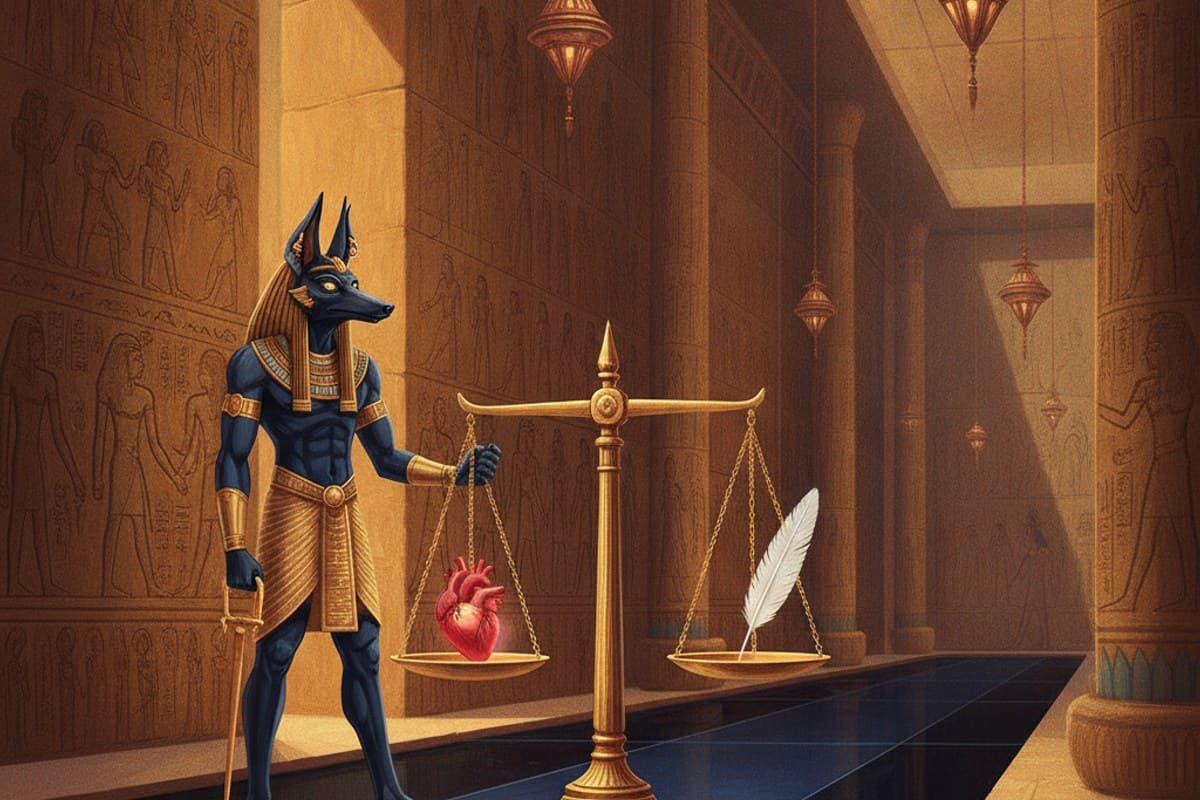
Anubis and the Hall of Judgment: ceremonial stone hall where Anubis oversees the weighing of the heart upon a balanced golden scale
Egyptian Mythology

Anubis and the Hall of Judgment

Illustrate a scene inspired by the ancient Egyptian weighing-of-the-heart motif: Anubis stands beside a balanced scale in a ceremonial hall, with stone reliefs receding into the background. Make the scale the visual focal point, use warm lamp light against deep blue shadow, and research period imagery when drawing sacred symbols.

Creative Interpretation
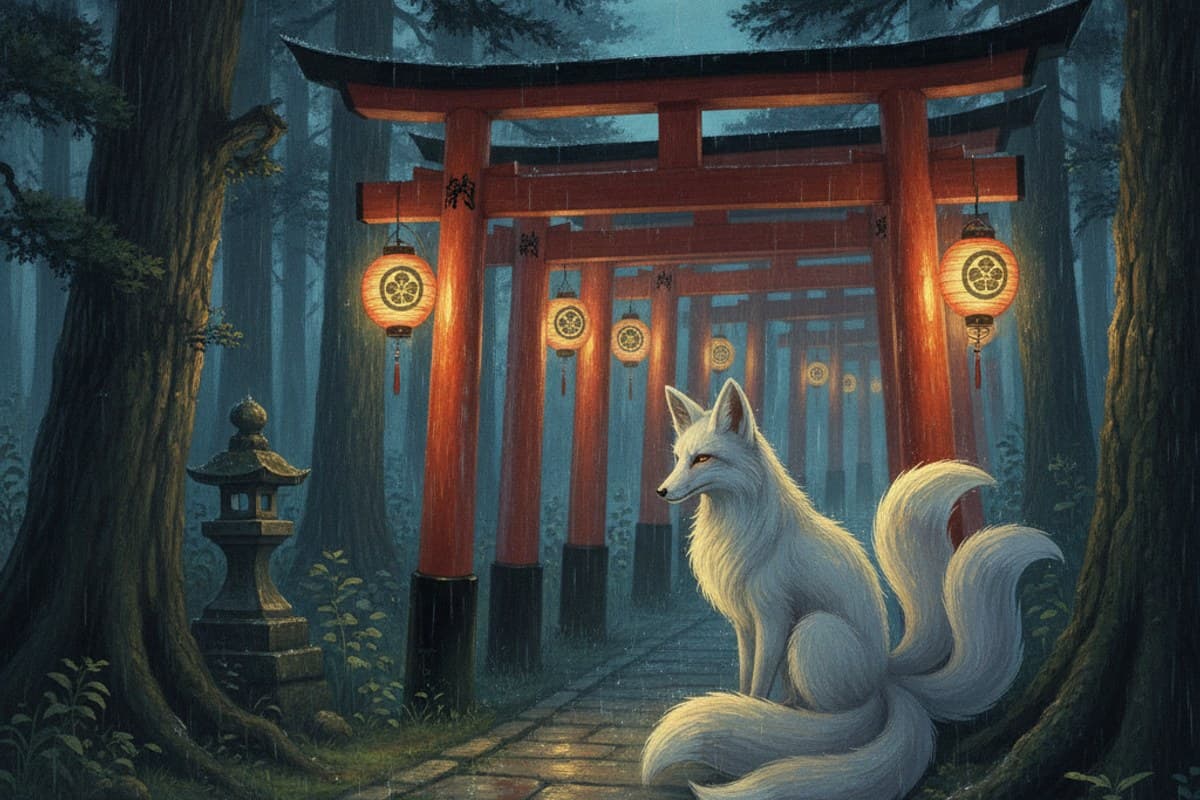
The Fox at the Mountain Shrine: sacred fox kitsune resting beside a cedar-lined mountain shrine path illuminated by paper lanterns in soft rain
Japanese Folklore

The Fox at the Mountain Shrine

At twilight, a fox waits beside a mossy shrine path lined with red gates and cedar trees. Tiny lanterns mark the route into the hills. Inspired by Japanese kitsune stories, the scene uses a low point of view, soft rain and a restrained vermilion-and-forest-green palette to suggest mystery without turning the figure into a generic monster.

Creative Interpretation
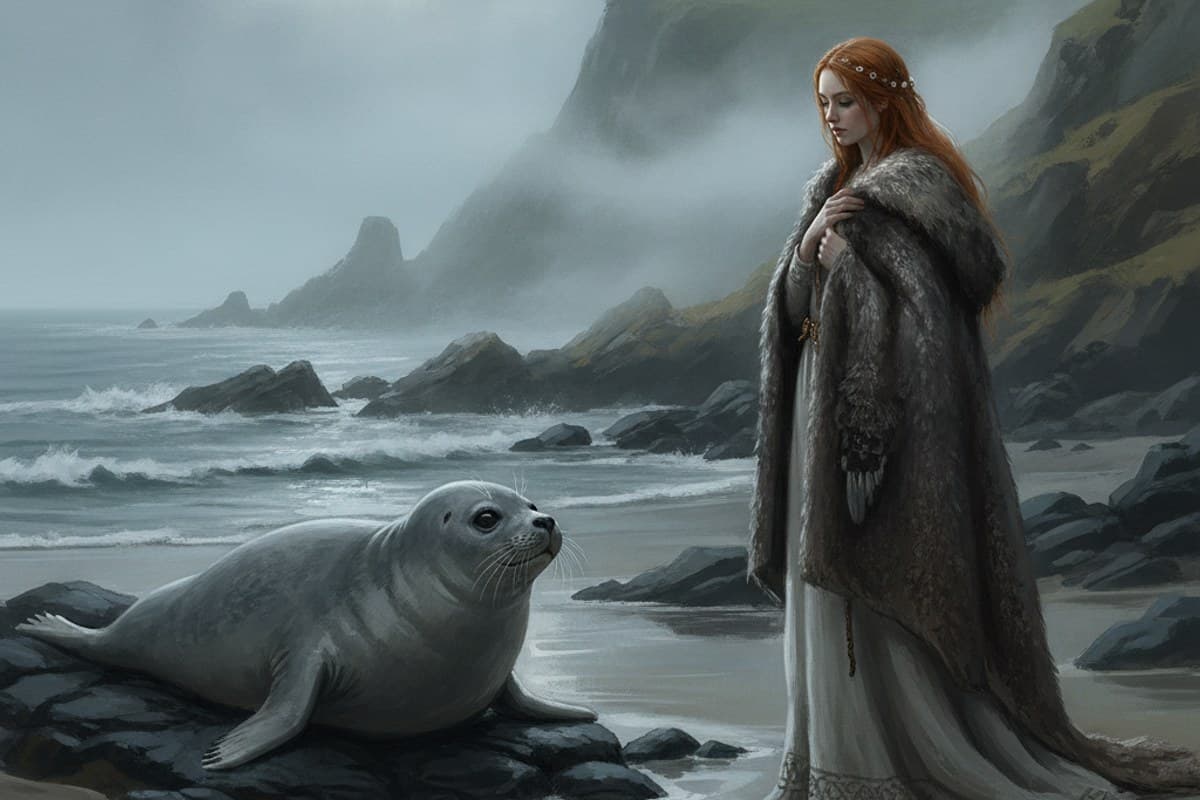
The Selkie at the Tidal Shore: coastal folklore illustration of a solitary figure at the misty water edge beside a resting seal
Celtic Folklore

The Selkie at the Tidal Shore

Create a storybook-style coastal scene inspired by Scottish and Irish selkie folklore: a lone figure stands at the waterline while a seal rests nearby, and fog rolls between dark islands. Use a wide horizon, cool sea glass colors and subtle clues that hint at a story beyond the frame.

Creative Interpretation
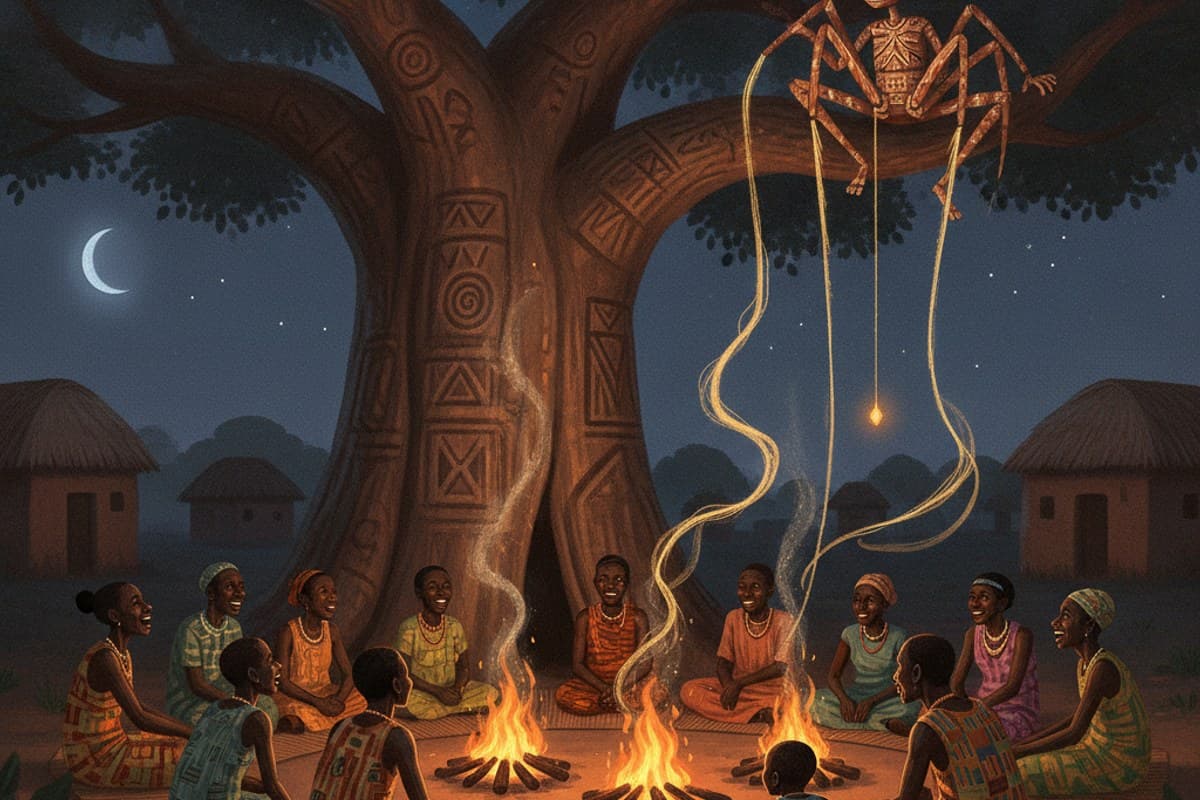
Anansi Under the Story Tree: folklore illustration of a spider storyteller perched in a massive baobab tree while villagers gather below in warm lantern light
Akan Folklore

Anansi Under the Story Tree

Design an illustration inspired by Anansi storytelling associated with the Akan tradition: a spider sits in a large tree as listeners gather below at dusk. Use a clear silhouette, warm lantern light and a village setting treated with specificity rather than generic “African” decoration. Keep the image playful and focused on the act of storytelling.

Creative Interpretation
A simple mythology art formula

Start with the story, not the spectacle.

Myth-inspired artwork becomes more memorable when viewers can sense who the figure is, where the story takes place and what moment you are showing. Instead of mixing symbols from several traditions, choose a clear source or retelling. Then use pose, setting, color and atmosphere to bring that interpretation to life.

Mythic storytellingCultural settingIconographyCharacter poseLight & shadowVisual narrative
01 · Choose the source tradition

Distinct Provenance

Start with a particular story, region or figure. Greek, Norse, Egyptian and Japanese myths have different contexts; specific references make your idea stronger.

02 · Find the turning point

Actionable Moment

Show one meaningful action: a choice, an encounter, a journey or a moment of discovery. This gives the composition a reason to exist.

03 · Build the setting carefully

Supporting Architecture

Architecture, clothing, landscape, tools and symbols should support the chosen tale. If you are creating a free fantasy adaptation, label it as inspired rather than historically exact.

04 · Make mood visible

Silhouette & Light

Use silhouette and light to express awe, uncertainty or triumph. A small pool of candlelight can suggest mystery; clear sunrise light can suggest renewal.

Mythology illustration fundamentals

Four Ways to Illustrate a Legend

A legendary scene does not need dozens of characters or complicated effects. These practical choices help drawings, paintings and digital illustrations communicate a story clearly.

✧

Choose a Recognizable Focal Point

Build the image around a single figure, object or action: a shield, a weighing scale, a turning path or an important gesture. Let supporting details guide attention toward it.

⌂

Use Setting to Support the Tale

A shoreline, temple hall, village tree or mountain path can establish place. Research architecture and material culture when you depict a specific historical or living tradition.

◈

Work With Symbol and Silhouette

A clear pose and a few well-chosen motifs often communicate more than a crowded scene. Avoid attaching sacred symbols to a figure if their meaning is uncertain.

☼

Create Atmosphere With Color

Gold and warm stone suggest a sunlit sanctuary; cool indigo and mist suit a night journey. Use value contrast and layers of depth to keep the illustration readable.

Get more from each creative setting

How the Mythology Art Prompt Controls Work

Each option has a purpose: the tradition establishes context, the story defines the scene, and the artistic settings make your idea visually clear.

Mythology or tradition

Choose the tradition connected to your idea. This is more useful than choosing a generic “ancient myth” because the setting and iconography can stay consistent.

Subject type

Name the main figure or object: a hero returning home, a deity seated in a sanctuary, a guardian at a threshold or a storyteller beneath a tree.

Story or legend

Specify the exact event you want to show. One meaningful moment—an encounter, judgment, quest or choice—creates a stronger composition than a list of mythical characters.

Historical or cultural setting

Describe the landscape, materials or architecture that belong to your chosen context. For living traditions, avoid treating sacred practices as interchangeable decoration.

Mood

Set the emotional direction: reverence, tension, joy, grief, mystery or wonder. Let the mood influence pose, negative space and the amount of detail.

Art style

Select a visual approach that serves the idea: pencil sketch, romantic oil painting, illustrated folktale or digital concept art. An inspired illustration is not automatically a historical reconstruction.

Lighting

Use sunlight, dawn mist, torchlight or moonlight to reveal your focal point. Side lighting shows stone texture, while silhouettes can suggest mystery and scale.

Color palette

Limit the painting to colors that work together, such as marble cream and olive green, night blue and silver, or warm copper and ochre. Color can establish time and atmosphere.

Practical answers for myth-inspired artists

Mythology Art Prompts: Frequently Asked Questions

Find clear answers about mythology drawing ideas, folklore illustration, legendary characters and using traditional stories thoughtfully.

What is a mythology art prompt generator?▼
A mythology art prompt generator suggests written scene ideas inspired by myths, legends and folklore. You can use the resulting prompts for pencil drawings, digital illustration, painting, concept art or as input to a compatible image tool.
What are easy mythology drawing ideas for beginners?▼
Try one recognizable subject: an olive tree near a Greek temple, a Viking-era longship on a quiet fjord, a carved Egyptian column, or a lantern on a folktale path. Practice basic shapes and light before adding a complex character.
How do I write a Greek mythology art prompt?▼
Choose a named figure or moment, then add a clear setting, perspective and mood. For example, Athena beneath an olive tree at dawn with stone architecture in the background and a calm, thoughtful expression.
Can I create Norse mythology drawing prompts?▼
Yes. Try a scene based on a journey, a symbolic object or a landscape tied to the story. Distinguish the source legend from details you invent and avoid mixing Norse themes with unrelated traditions by default.
What should I include in an Egyptian mythology illustration?▼
Identify the particular story or deity, then consider the setting, recognizable objects and visual symbolism. For example, artwork inspired by Anubis and the weighing-of-the-heart tradition can focus on the scale and surrounding ceremonial space.
How are mythology and folklore art prompts different?▼
Mythology prompts often focus on accounts involving deities, origins or sacred narratives. Folklore prompts can explore local legends, tales, supernatural beings and storytelling traditions. The categories overlap, and their meanings vary across cultures.
How can I draw gods, goddesses and legendary heroes respectfully?▼
Learn which tradition a figure belongs to, check names and symbols, and consider whether the figure is part of a living religious practice. Separate creative reinterpretation from claims of authenticity, particularly with sacred or community-specific stories.
What art styles work for myth-inspired scenes?▼
Pencil studies, watercolor storybook illustration, ink, fresco-inspired design, oil-painting approaches and digital concept art can all work. Choose the style for its storytelling purpose rather than assuming every culture has one visual style.
Can I use these prompts for character design or comic storytelling?▼
Yes. Turn a prompt into a character silhouette, costume study, background painting, comic panel or storyboard. Focus on one story beat and use poses, props and expressions to make the narrative readable.
Does this tool generate finished mythology images?▼
No. This page produces written art prompts and drawing ideas. You can interpret them yourself or adapt them for a compatible image service. The model selector in the production tool is used for prompt formatting rather than displaying a generated picture here.