ArtPromptGenerator
✦ The Object Atelier

Object & Artifact Art Prompt Generator

Small details. Big stories.

Our object and artifact art prompt generator helps you imagine magical relics, fantasy weapons, sci-fi gadgets and collectible props. Choose a theme, define its purpose and materials, then find an idea to sketch, paint or illustrate.

10 artifact & prop themesMaterials, age & lighting controlsFor drawing, concept art & storytelling
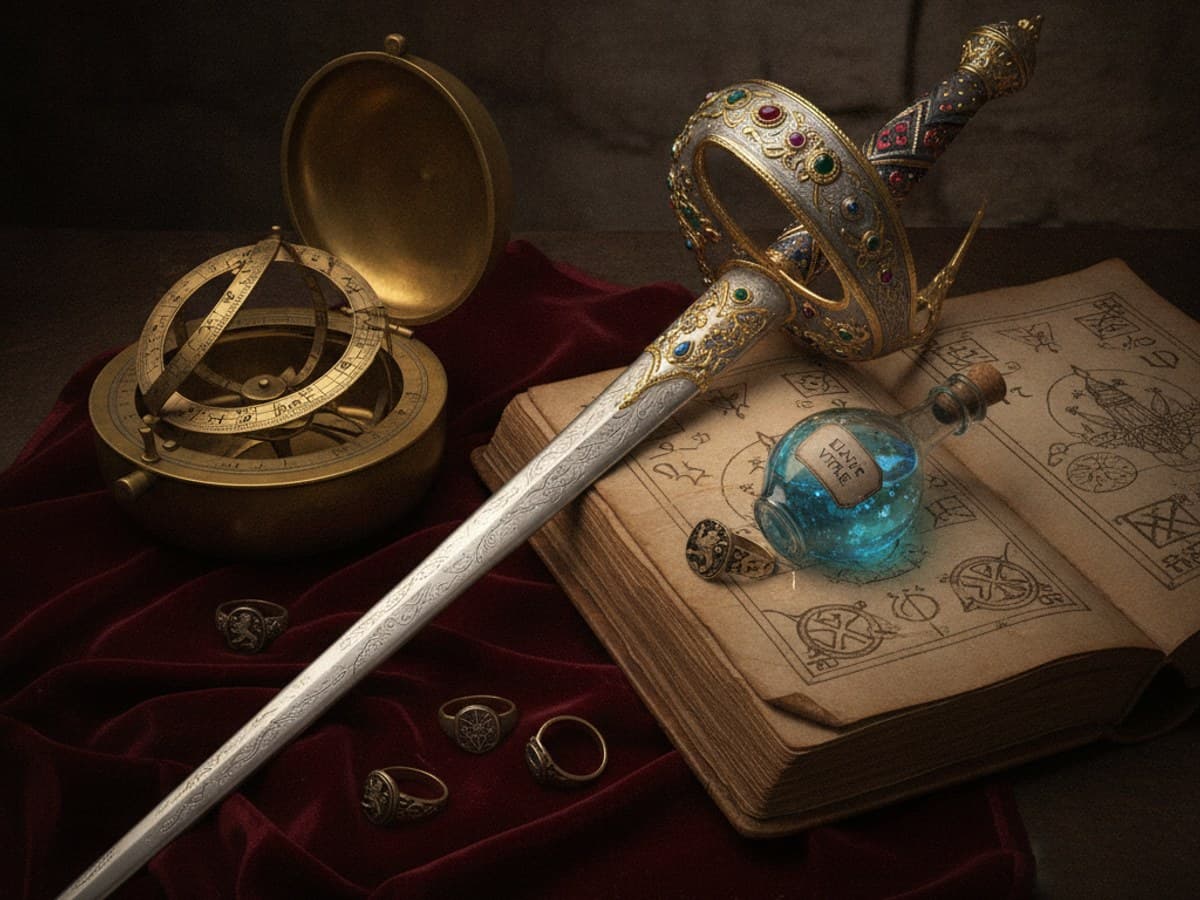
Artistic still life composition of an antique brass astrolabe, leather-bound grimoire and glowing celestial crystals on dark velvet
✦ Object concept atelier

Relics • Materials • Story

✦ Relic & Prop Forge

Design an object with a story to tell

Choose a theme, specify purpose, tactile materials, age and lighting, and craft written drawing and concept-art ideas.

1. Choose an object, artifact or prop theme

Select a discipline to guide functional silhouette and material craftsmanship.

10 Themes

2. Canvas format

Create detailed art prompts you can use with your favorite AI image generator.

Canvas Aspect Ratio

3. Shape the object, finish and presentation

Tune the object type, materials, age, condition, lighting and presentation background.

Optional Advanced Controls & Engine FlagsFunctional components, engravings, patina wear, scale and lore provenance
▼
Drawing inspiration to begin with

Object Drawing Ideas & Artifact Art Prompts

These six prompts explore magical artifacts, handmade details, futuristic props, heirloom jewelry and everyday objects with a story. Use them for sketching, painting, prop sheets or digital concept art.

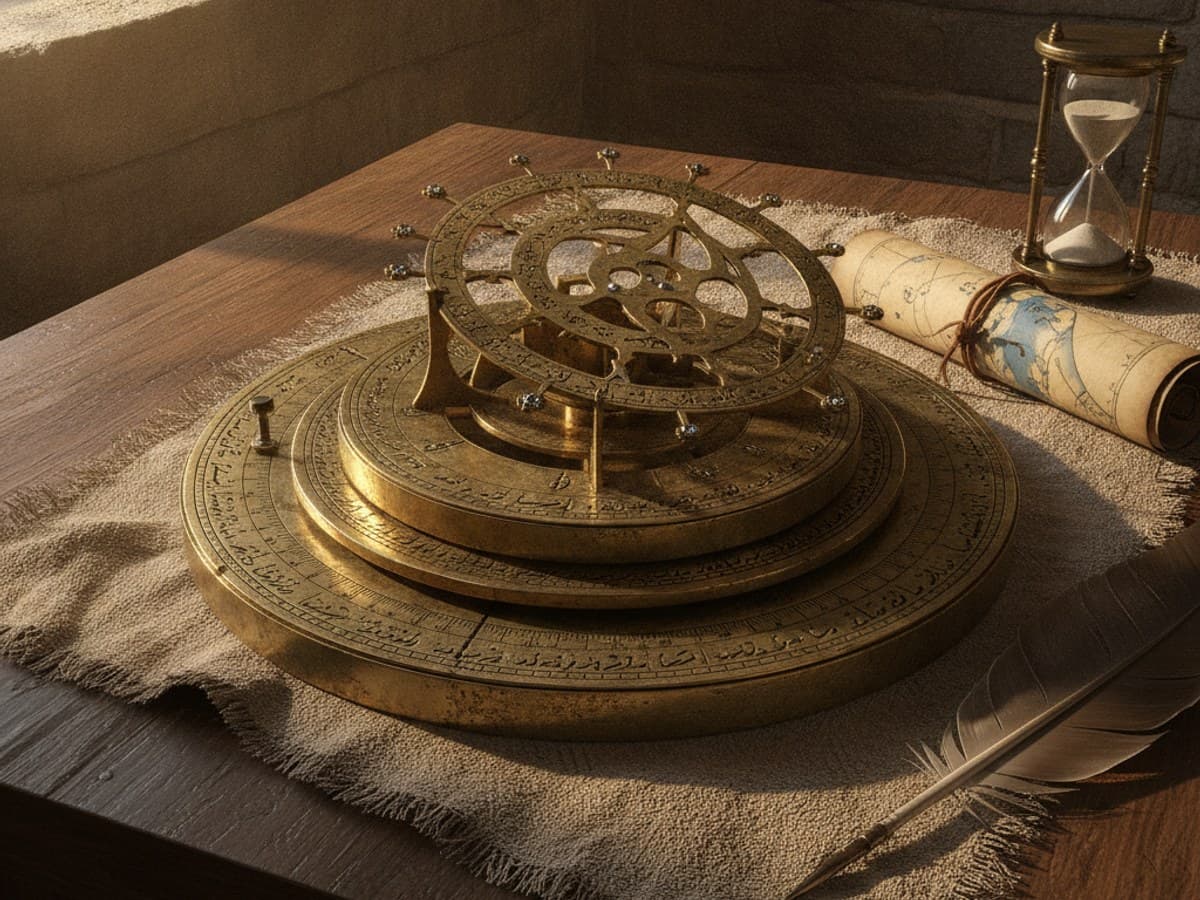
An Astrolabe From a Lost Observatory: ornate antique brass astrolabe with etched astrological rings and celestial coordinates on a dark mahogany table
Ancient Artifacts

An Astrolabe From a Lost Observatory

Illustrate an old brass astrolabe found in a crumbling hilltop observatory. Build the design from rotating rings, engraved scales and a carefully worn wooden case. Place it on a linen-covered worktable with a folded star chart. Use warm sidelight to reveal tarnished metal, fine scratches and the object’s layered construction.

Ready to Copy
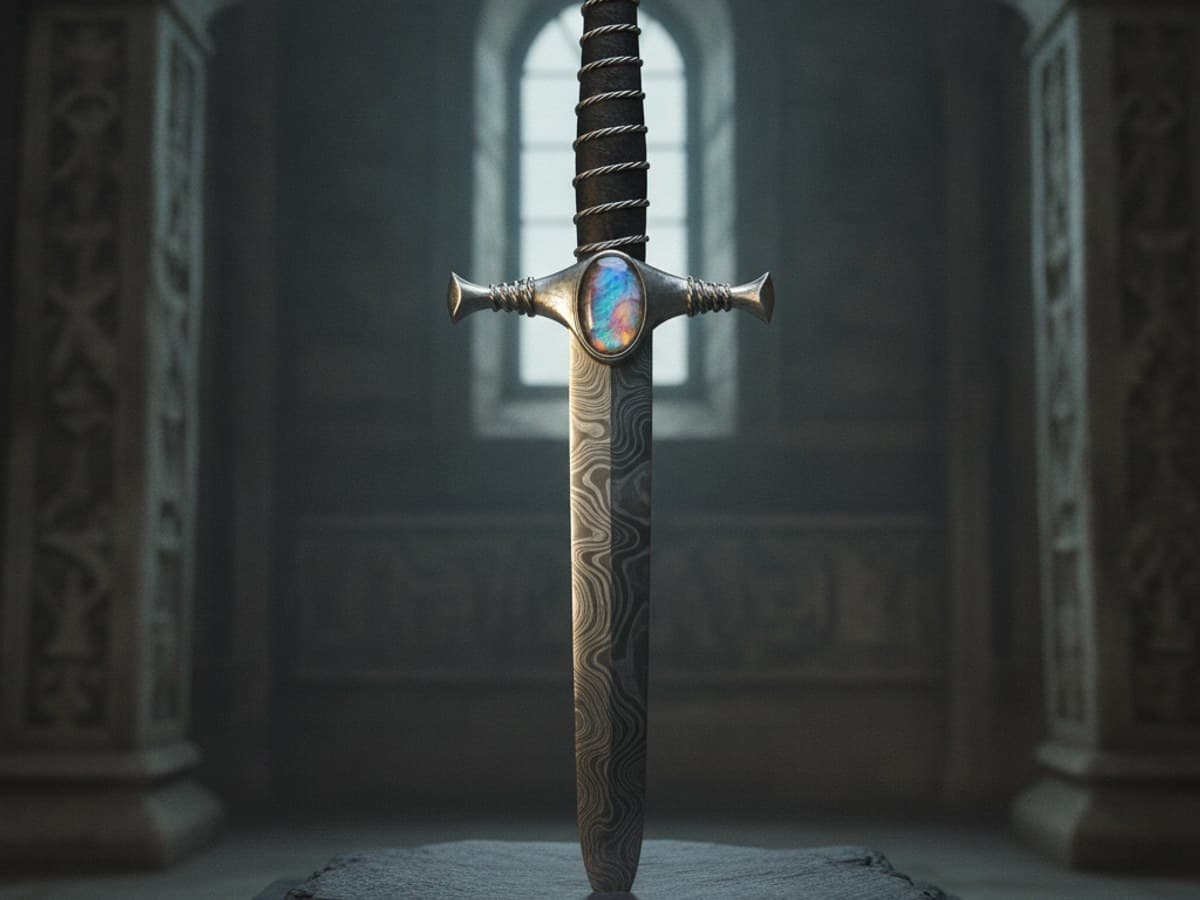
The Guardian’s Ceremonial Blade: masterwork high fantasy ceremonial sword with Damascus steel blade, etched runic guard and moonstone pommel
Fantasy Weapons

The Guardian’s Ceremonial Blade

Design a fictional ceremonial sword carried by the guardian of a mountain library. Give the blade a simple, readable silhouette, a decorated hilt and a single moonstone inlay. Draw a three-quarter studio view with close-up notes on patina, etching and wrapped grip. Focus on visual storytelling and craftsmanship, not mechanical construction.

Ready to Copy
A Pocket Translator From Tomorrow: futuristic handheld universal translator device with holographic glyph display and sleek brushed titanium casing
Sci-Fi Gadgets

A Pocket Translator From Tomorrow

Imagine a palm-sized translation device used by interplanetary travelers. Sketch an ergonomic shell, softly glowing interface and removable travel case. Show a front view beside two smaller side studies, with believable seams and subtle wear. Contrast matte graphite, frosted glass and a restrained cyan display.

Ready to Copy
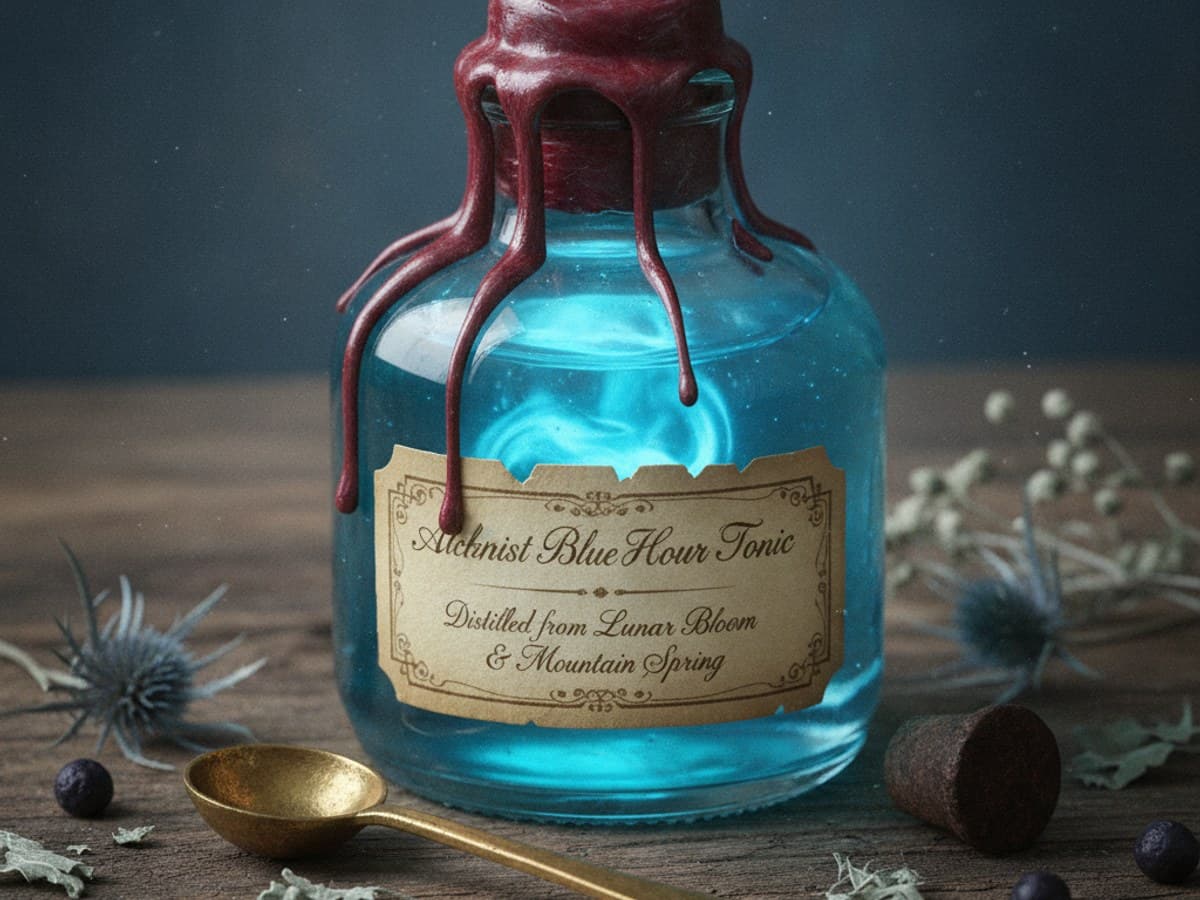
The Alchemist’s Blue Hour Tonic: antique blown-glass alchemy flask filled with bioluminescent azure elixir and sealed with stamped sealing wax
Potions & Alchemical Objects

The Alchemist’s Blue Hour Tonic

Draw a squat amber-glass potion bottle with an uneven wax seal, handwritten paper label and swirling blue-green liquid. Surround it with a cork, measuring spoon and dried herbs. Use soft window light and reflected highlights to describe transparent glass, liquid depth and the rough texture of the label.

Ready to Copy
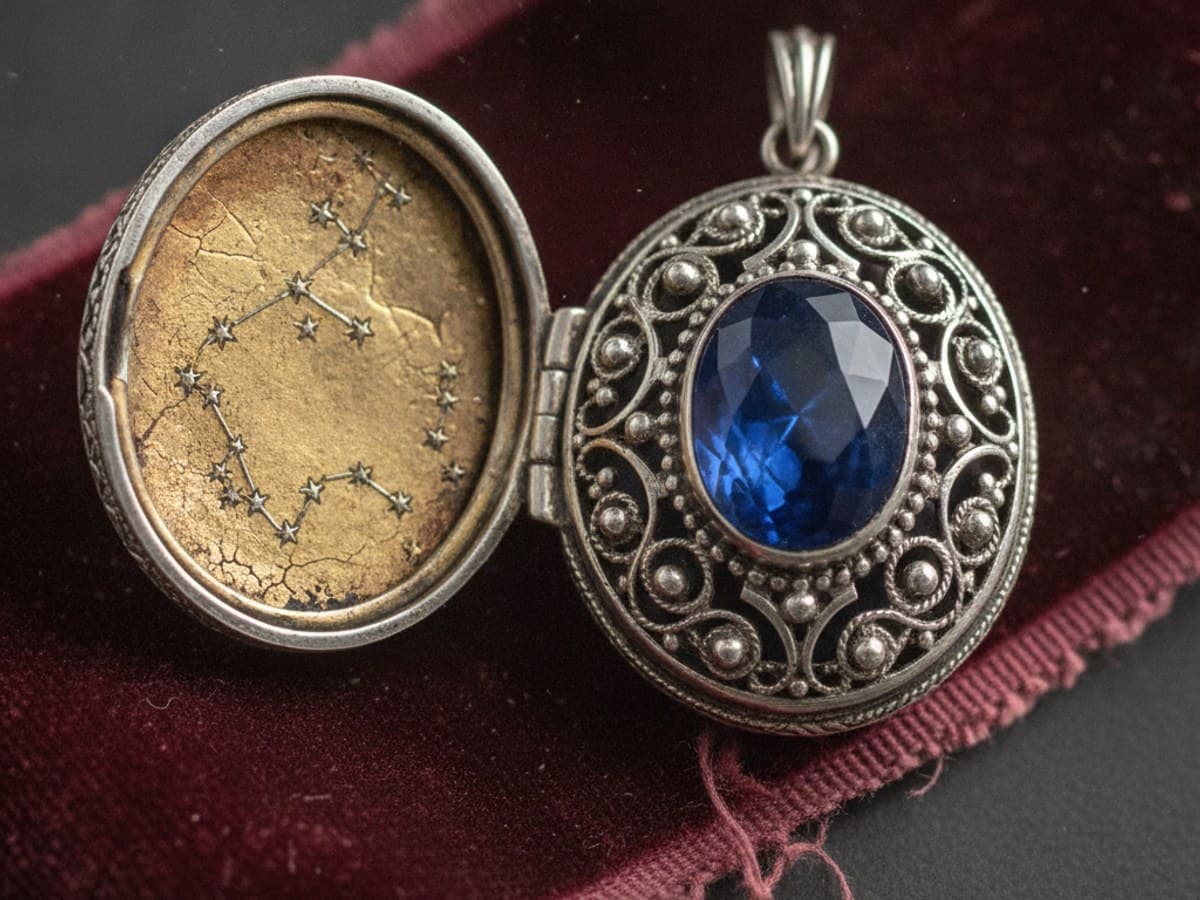
An Heirloom Pendant With a Hidden Map: antique silver filigree locket with celestial cabochon sapphire opening to reveal an engraved star chart
Jewelry & Accessories

An Heirloom Pendant With a Hidden Map

Create an oval silver pendant passed through generations. A translucent stone sits within a delicate filigree frame, while the hinged back holds a tiny engraved star map. Render one close-up open and one closed, allowing warm highlights to reveal the clasp, fine tooling and signs of regular handling.

Ready to Copy
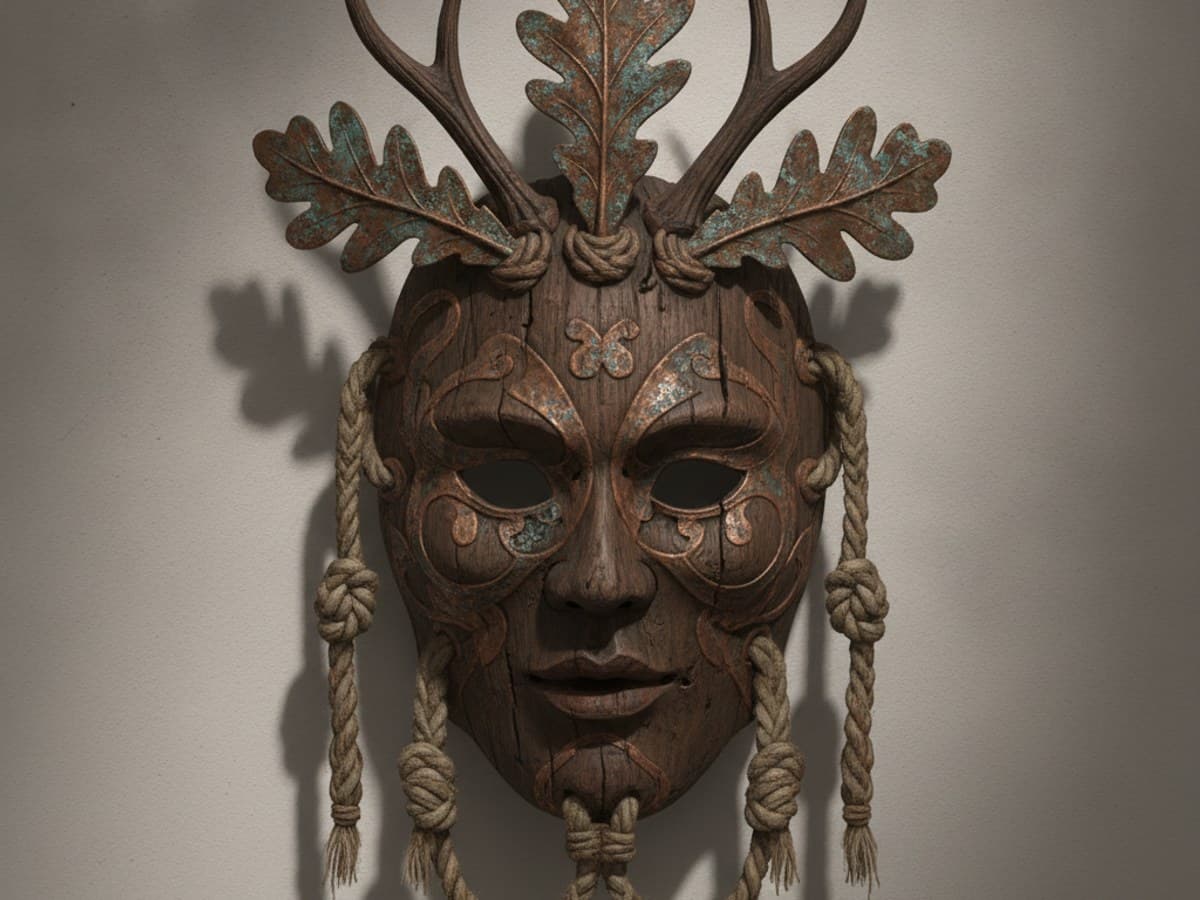
The Mask of the Autumn Procession: hand-carved ceremonial festival mask with weathered copper gilding, stylized horn crest and woven hemp ties
Masks & Relics

The Mask of the Autumn Procession

Design a fictional festival mask carved from dark wood, with copper leaf, faded pigments and stitched cloth ties. Its asymmetrical patterns should hint at a local story without copying a real sacred tradition. Present the mask against a quiet museum-style backdrop, using raking light to emphasize tool marks and age.

Ready to Copy

Each example is a written creative prompt. Adapt the shape, materials and viewpoint to your own art style, and use real cultural references respectfully.

A simple formula for designing props

An object feels real when every detail has a reason.

An effective object illustration begins with a clear role. Is this a traveler’s tool, a treasured keepsake, a fantasy relic or a piece of future technology? Purpose gives its form direction.

Next, choose its most distinctive shape, its materials and the marks left by use. A worn compass and a polished ceremonial amulet can share a similar size, yet tell completely different stories.

Prop silhouetteMaterial studiesSurface weatheringOrnamental detailsThree-quarter viewVisual storytelling
01 · Start with function and scale.

Function & Scale

Explain what the object is for and whether it fits in a hand, hangs from a belt or stands on a pedestal. This anchors shape and proportion before decoration.

02 · Build a distinctive silhouette.

Distinctive Silhouette

Choose a primary mass, a secondary feature and one focal detail. Draw it first in black and white: a clear outline remains recognizable at thumbnail size.

03 · Make the materials believable.

Believable Materials

Brass develops a different patina from iron; glass catches hard highlights; leather creases at bends. Pick two or three materials and let their surfaces explain the object.

04 · Show its history through presentation.

History & Presentation

Decide whether the object is new, repaired, dusty or cherished. A careful three-quarter view, soft studio lighting and a supporting background can reveal its construction and story.

A closer look at object design

Four Details That Make Artifact Art Convincing

Whether you are drawing a fantasy talisman, a science-fiction device or a worn everyday tool, these choices make the design readable and memorable.

⌗

Silhouette Comes First

Use a clear outer shape before adding ornate patterns. Strong proportions help an object read instantly in a small sketch or concept thumbnail.

▦

Materials Need Their Own Light

Describe metal reflections, translucent glass, woven fabric or carved stone differently. A thoughtful light source makes each surface recognizable.

☼

Function Shapes the Details

A travel tool needs grips, hinges or a case; an heirloom may use careful engraving. Plausible details should support the story rather than clutter it.

◈

Wear Makes the Story Visible

Scratches, polished edges, oxidation and repairs reveal age and handling. Use weathering selectively so the focal feature stays clear.

Make the controls work together

How the Object & Artifact Art Controls Work

Each field answers a practical design question: what is the object, what does it do, what is it made from, and how should it be illustrated?

Object type

Name the main item clearly: a ceremonial sword, astrolabe, potion bottle, pendant, mask or futuristic handheld tool. A precise subject helps the concept stay focused.

Purpose or function

Explain who uses it and why. An object built for travel, ritual, repair or remembrance needs different design details, even when the form is similar.

Material

Choose materials that support the concept: tarnished bronze, folded steel, dyed fabric, aged paper, polished glass or carved stone. Describe physical surfaces rather than vague quality words.

Age or condition

Decide whether the prop is newly made, weathered, carefully restored or heavily worn. Patina, chipped pigment and polished contact areas can convey age without exaggeration.

Design style

Choose a coherent visual direction, such as ornate fantasy, museum illustration, retro-futurism, handmade folk design or a clean game prop sheet.

Color palette

Limit the main tones and reserve a bright accent for the focal detail. For example, dark steel, antique gold and sapphire blue can guide a fictional relic illustration.

Lighting

Use light to explain form and texture. Softboxes reveal metallic contours; a narrow rim light separates silhouettes; warm side light reveals scratches and carving.

Background

Present the object where its story makes sense: a neutral studio, velvet-lined display case, craftsman’s table, weathered shelf or simple pedestal. Avoid a busy scene that hides the prop.

For Next.js implementation, preserve all eight original production field types, supported option lists and existing advanced controls. The HTML dropdown options only demonstrate visual styling.

Questions about objects and prop drawing

Objects, Artifacts & Weapons: Art Prompt FAQs

Helpful answers about object drawing ideas, artifact concepts, imaginary weapon art, material rendering and collectible prop design.

What is an object and artifact art prompt generator?+

It creates written ideas for drawing or illustrating individual objects, decorative relics, fictional equipment and story-driven props. Choose an object theme and describe materials, purpose, condition, style and lighting to shape your prompt.

What are easy object drawing ideas for beginners?+

Try a key, pocket watch, cup, potion bottle, pendant or small wooden box. Start with simple shapes and one light source. Once the proportions feel right, add texture, wear or a personal detail.

How do I design an original fantasy artifact?+

Decide what the artifact does in the story, who made it and what materials were available. Create a strong silhouette, one distinctive ornament and signs of use. Keep magical effects subtle enough for the object to remain readable.

Can I make fictional sword and weapon art prompts?+

Yes. Fantasy Weapons and Armor & Shields support imaginative illustrations of ceremonial blades, shields and other fictional gear. Focus on silhouette, engraved decoration, historical inspiration and visual style rather than instructions for making functional weapons.

How do I draw convincing metal, glass or gemstones?+

Observe how each surface responds to light. Metal often has sharp highlights and reflected colors; glass combines transparency with bright edges; gemstones show internal color and facets. A small material study can help before drawing the full object.

How can I create a potion bottle or alchemy drawing prompt?+

Name the container shape, liquid color, closure and label. Add one contextual detail, such as a measuring spoon or worn field journal, and choose lighting that shows the glass thickness and liquid depth.

What makes a good science-fiction gadget concept?+

Give the device a specific task, plausible interaction points and an understandable size. Show how it is held, worn or stored. Then add a restrained material palette and interface details that communicate its purpose.

What is the difference between artifact art and prop concept art?+

Artifact art often emphasizes an object’s age, cultural setting or archaeological appearance. Prop concept art focuses on how an item contributes to a character, scene, game or film. Both benefit from clear form, material and storytelling.

How do I show that an object is old or valuable?+

Use selective visual evidence such as patina, repaired joints, faded inscriptions, wear on contact points or a protective case. Avoid covering every surface with random damage; the object should still look coherent.

Does this generator create finished object images or real product plans?+

The generator provides written creative prompts, not finished images, production-ready industrial designs or functional weapon instructions. Use them for drawing practice, concept illustration and compatible image-generation tools.