ArtPromptGenerator
✿ The Still Life Atelier

Still Life & Botanical Art Prompt Generator

Find beauty in the things around you.

Our still life art prompt generator helps you explore floral drawing ideas, fruit arrangements, houseplants and everyday objects. Choose a subject, shape the composition and experiment with color, texture and natural light.

10 everyday and botanical themesLighting, arrangement & palette controlsFor pencil, watercolor, oils & digital art
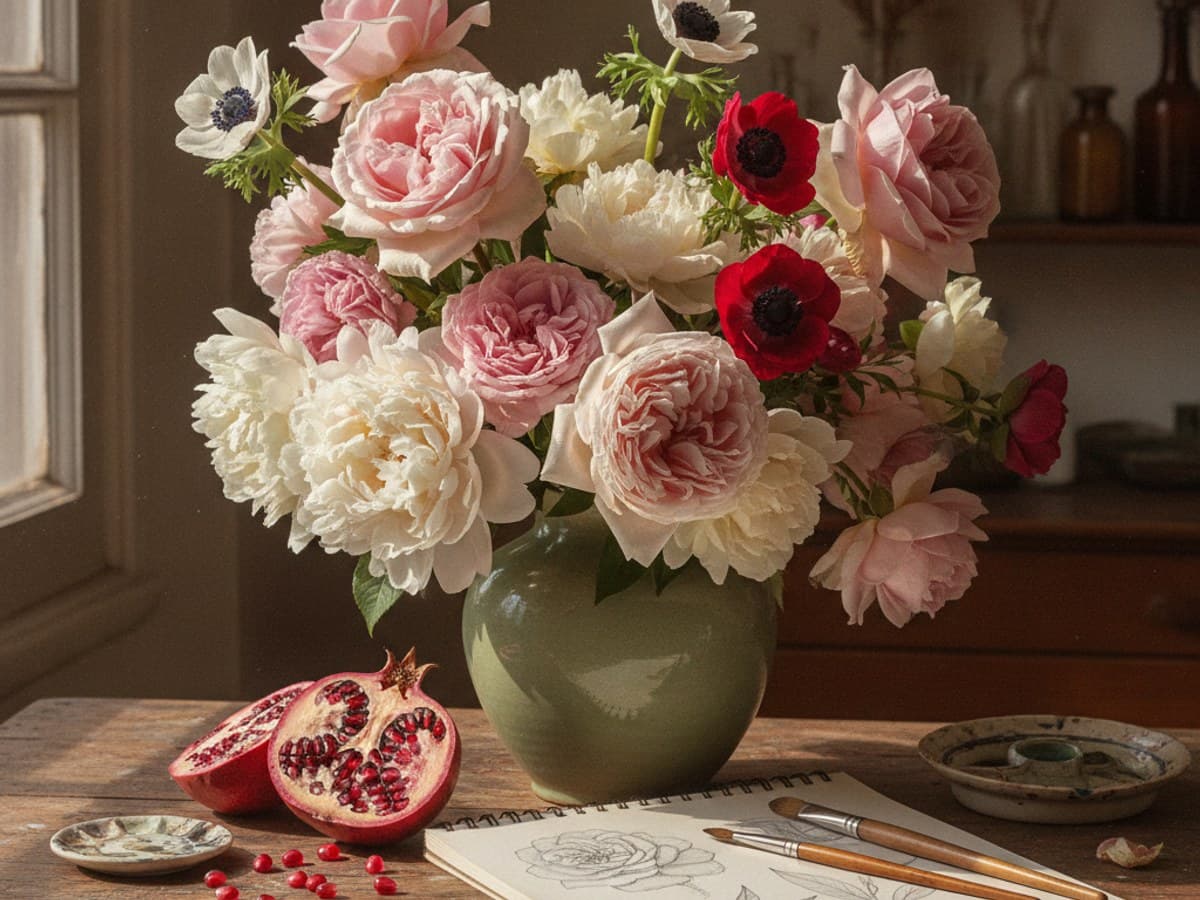
Artistic still life illustration of blush peonies, pink tulips, a sage-green vase, pears and an open sketchbook in soft afternoon window light
✿ Flora • Form • Light

A quiet botanical composition

Your creative still life studio

Make an everyday subject worth drawing

Choose flowers, food, home objects or a calm everyday scene, then adjust the arrangement, art style and light. Use the result as a starting point for a sketch, painting or digital illustration.

Selected discipline: Everyday, Still Life & Botanical Art
01

1. Choose your still life or botanical theme

Start with a subject you love, or use the custom field for your own drawing idea.

A simple subject and one visual detail are enough to start.
02

2. Canvas format

Create detailed art prompts you can use with your favorite AI image generator.

03

3. Set the arrangement, materials and atmosphere

The eight existing controls help describe the objects, setting, texture, lighting and mood of your piece.

✧ Optional Advanced Controls & Engine Flags▼

Fine-tune botanical accuracy, material textures, camera depth of field, and engine-level parameters.

Six ideas from the everyday world

Still Life & Botanical Drawing Prompts

Try these original ideas for pencil sketches, watercolor flowers, oil painting studies and digital illustration. Each example combines a subject with a little direction on texture, arrangement or light.

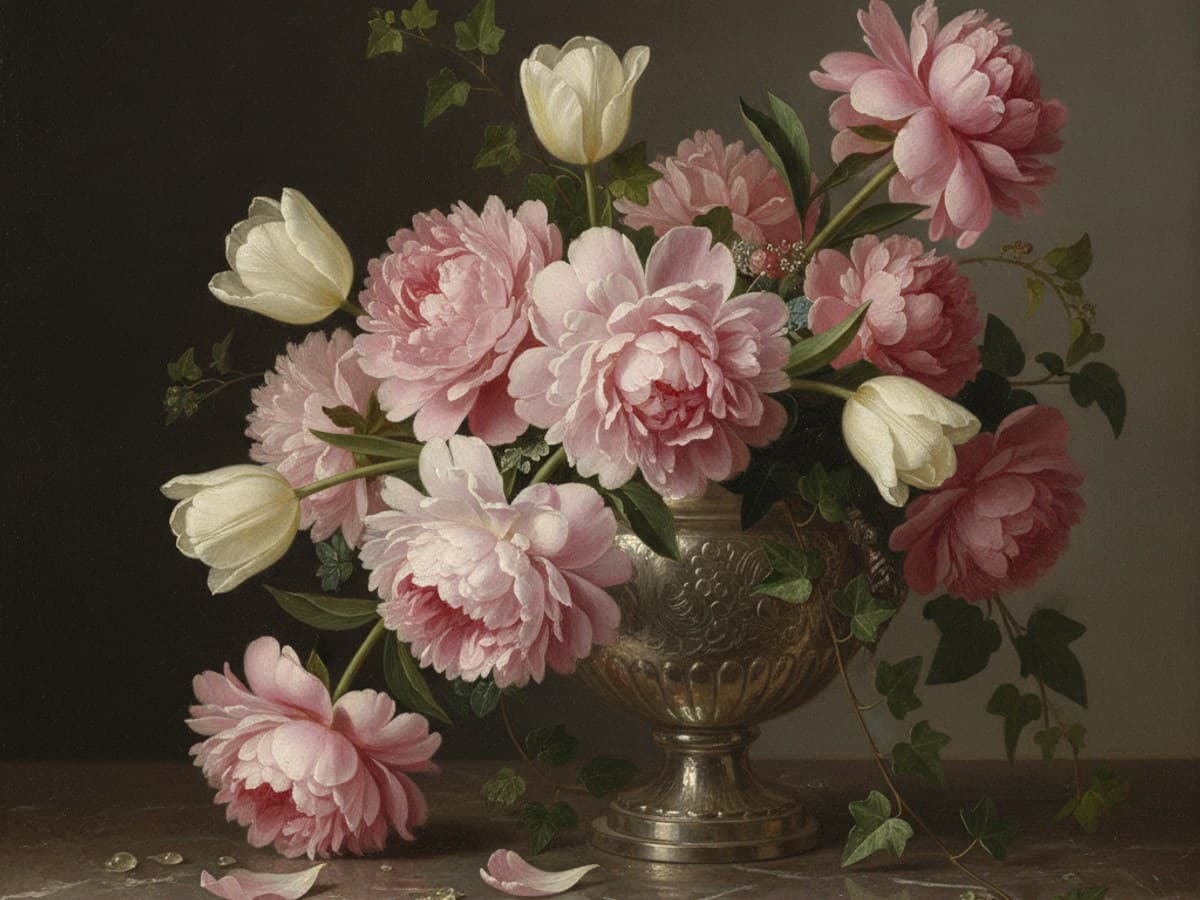
The Peonies in the Silver Urn: lush Dutch Golden Age floral oil painting of pink peonies, white tulips and delicate greenery in an antique silver vase
Flowers & Botanical Illustration

The Peonies in the Silver Urn

Paint an overflowing arrangement of blush peonies, white tulips and wispy foliage in an antique silver urn. Place it on a dark marble table and use soft north-facing window light to catch the translucent petal edges. Let a few stems lean outside the bouquet so the flowers feel freshly gathered rather than perfectly arranged.

Ready to Copy
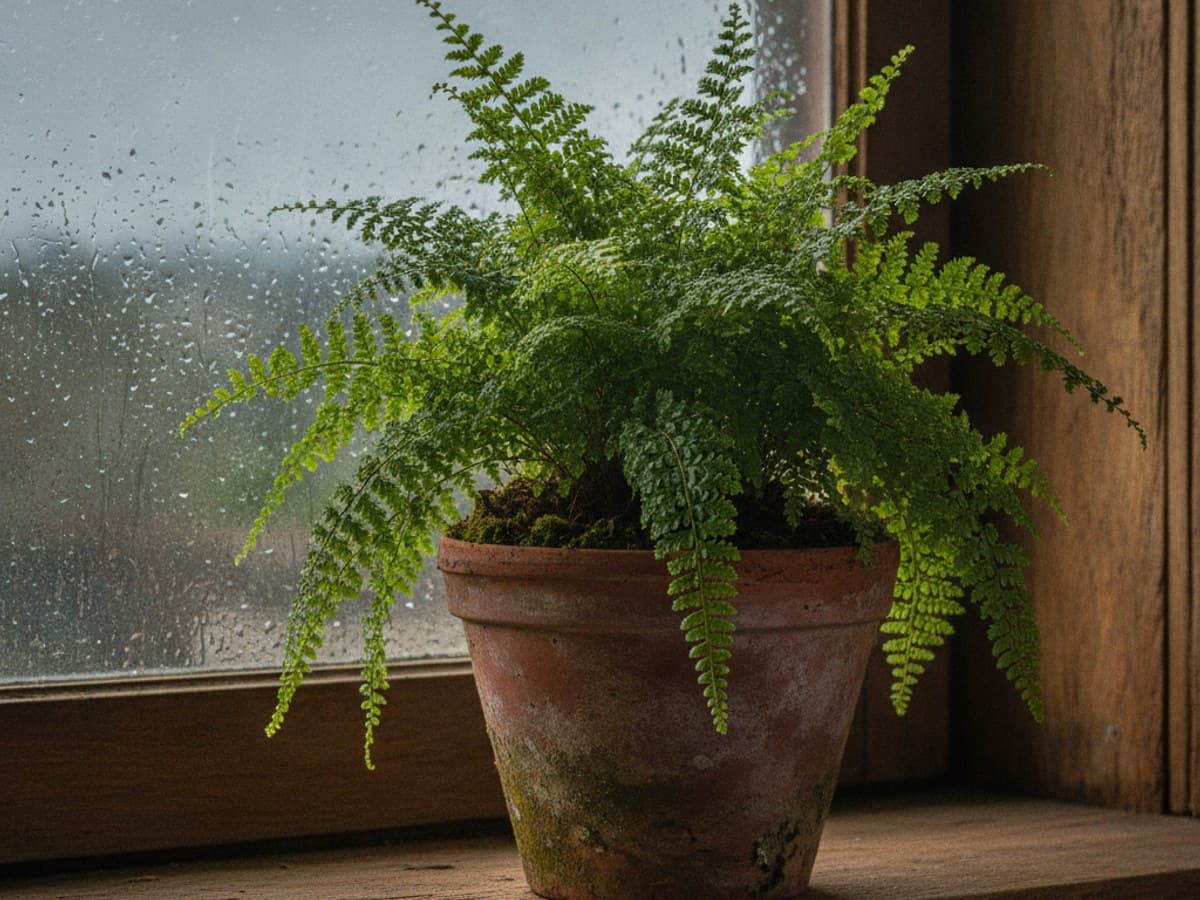
The Fern by the Rainy Window: lush potted Boston fern and terracotta planters on a rain-streaked wooden windowsill with soft overcast daylight
Houseplants & Gardens

The Fern by the Rainy Window

Draw a trailing fern and two small terracotta pots on a wooden windowsill after a rainstorm. Notice how each leaf bends toward the pale light. Use subtle greens, soft gray reflections and a simple background to make the plant shapes easy to read without outlining every leaflet.

Ready to Copy
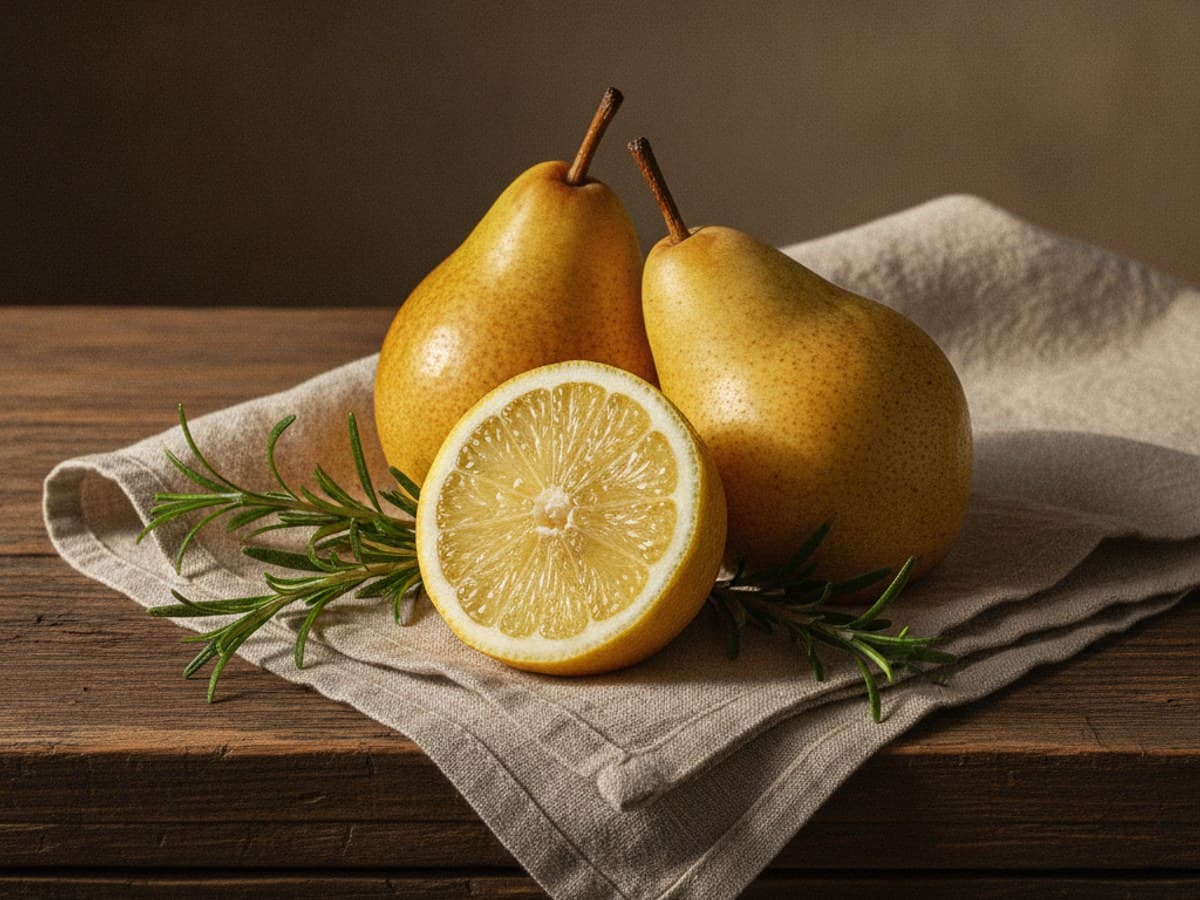
Citrus and Pears on Linen: rustic kitchen still life with a sliced ripe lemon, golden pears and fresh rosemary sprigs on folded cream linen
Fruit & Produce

Citrus and Pears on Linen

Arrange a cut lemon, two ripe pears and a sprig of rosemary on a folded cream linen napkin. Use warm side lighting to reveal dimpled citrus peel, smooth pear skins and soft fabric folds. Keep the palette restrained and let the empty table around the objects give the still life room to breathe.

Ready to Copy
The Unfinished Morning Tea: gentle morning vignette with a ceramic tea cup, open novel and soft wool blanket illuminated by early sunbeams
Cozy Everyday Moments

The Unfinished Morning Tea

Sketch a ceramic mug, an open paperback and a knitted cardigan left on a small table beside a window. A curl of steam rises in the cool morning air. Emphasize the quiet relationship between the objects, with a gentle shadow across the pages and a warm highlight on the mug rim.

Ready to Copy
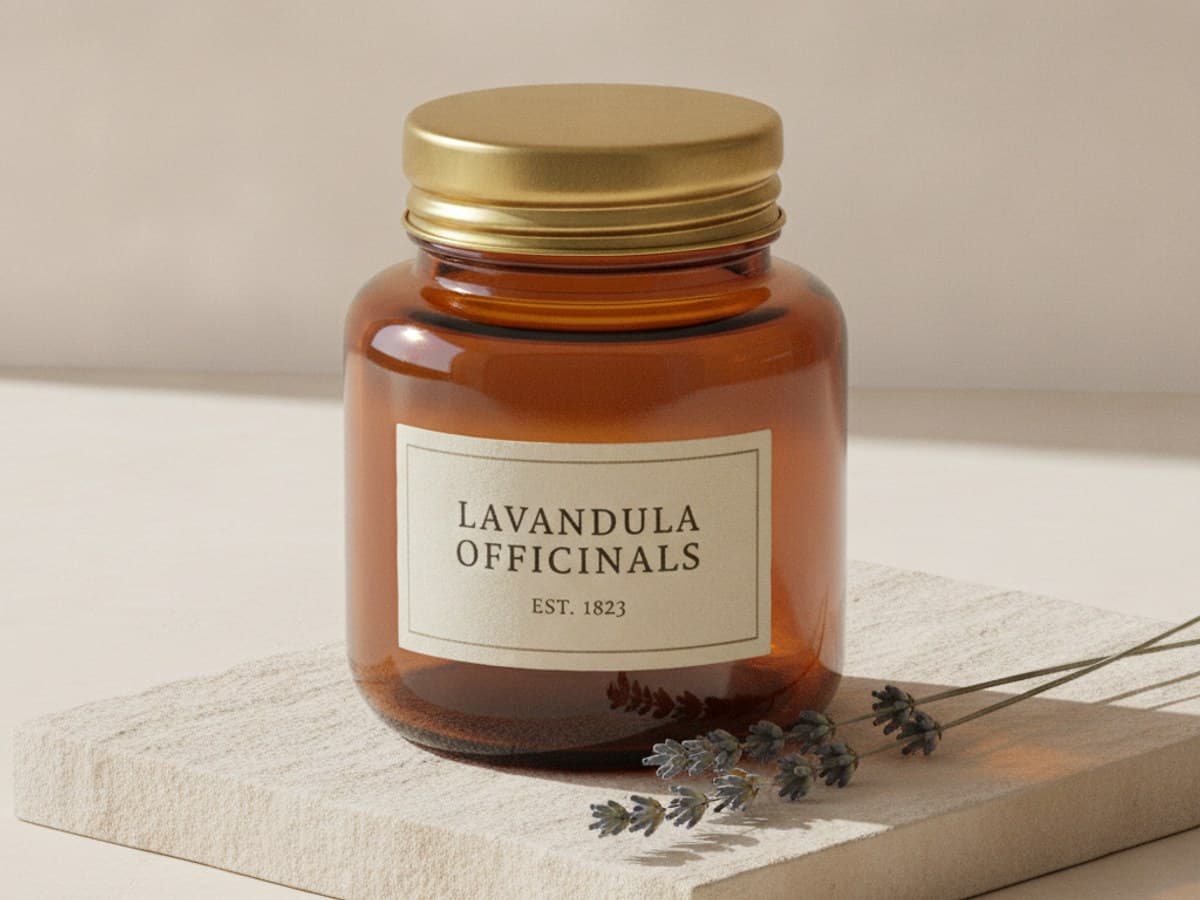
Amber Glass and a Brass Lid: clean minimalist studio photograph of an amber apothecary bottle with polished brass cap on textured paper
Product Illustration

Amber Glass and a Brass Lid

Illustrate a small amber apothecary bottle, its brass cap and a folded paper label on a neutral surface. Study the way the dark liquid, polished metal and translucent glass catch different highlights. Aim for a clean product-illustration composition with a believable cast shadow and no unnecessary props.

Ready to Copy
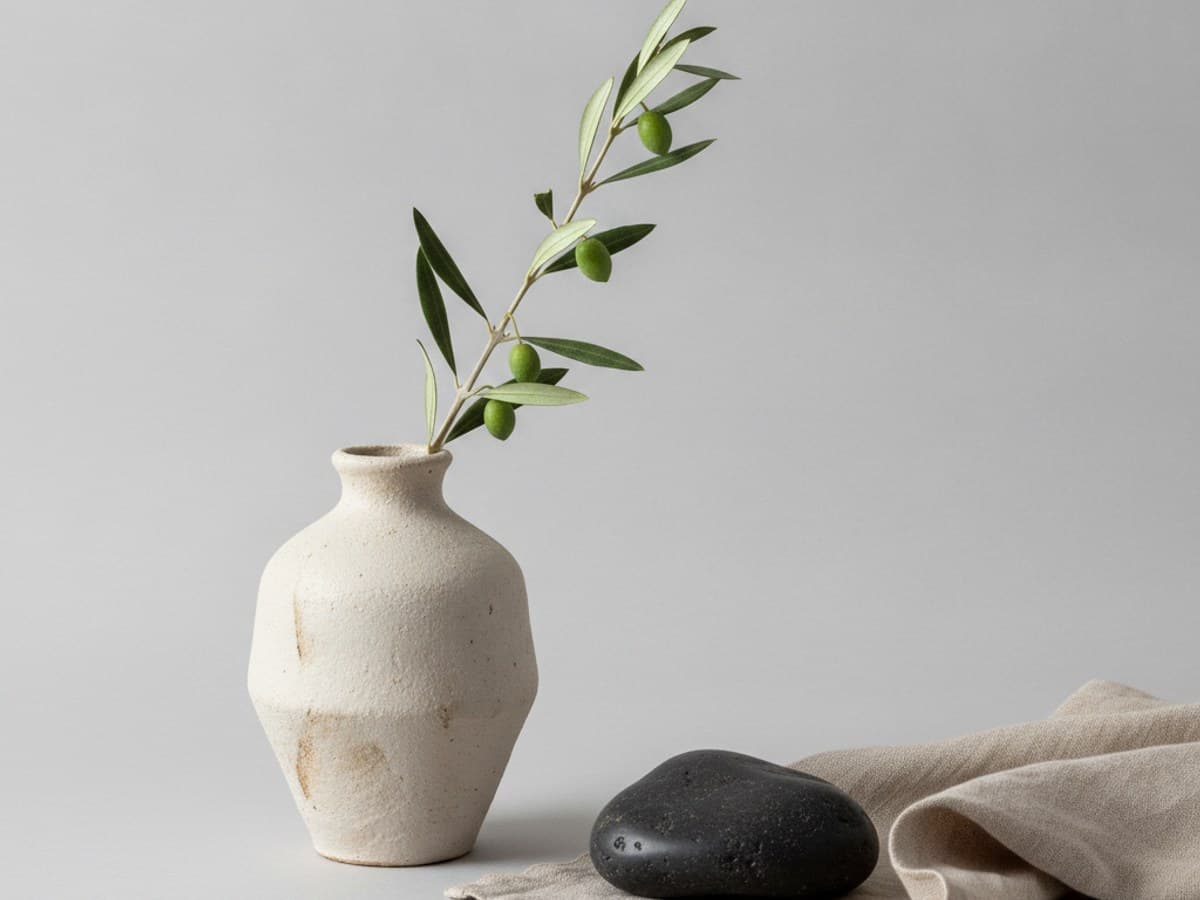
One Branch, Three Shapes: serene Japanese minimalist still life with an olive branch in an off-white ceramic vase, smooth river stone and folded linen
Minimalist & Decorative Art

One Branch, Three Shapes

Create a minimal still life with a single olive branch in a matte cream vase, a round stone and a narrow strip of folded linen. Work with negative space and subtle changes in tone. Focus on the rhythm of the leaf shapes and the contrast between curved ceramics, rough stone and soft fabric.

Ready to Copy

These are creative starting points, not rigid instructions. Change the art medium, swap objects or simplify a scene to suit your drawing practice.

A simple approach to observing objects

Start with a shape. Let the details follow.

A good still life prompt starts with something you can picture clearly: a flower in a vase, a sliced peach or a familiar object. Choose one main subject and decide which smaller objects, if any, support it.

Look at how the arrangement uses empty space, where the light comes from and which textures deserve attention. You can make the same objects feel calm, nostalgic or bright simply by changing these choices.

Still life compositionBotanical drawingValue & shadowNegative spaceColor harmonyTexture studies
01 · Choose an everyday subject.

Everyday Subject

Pick one object or a small group. Flowers, fruit, glassware and personal belongings all work; the most interesting subjects often have a mix of shapes and materials.

02 · Find the focal point.

Focal Point

Decide what should catch the eye first. Make that area clearer through contrast, sharper detail or the direction of stems and fabric folds.

03 · Notice the light and texture.

Light & Texture

Side light brings out the dimples on citrus and the shine on glass. Backlighting can make petals and leaves appear delicate. Describe only what matters to the image.

04 · Simplify the surroundings.

Simplify Surroundings

Use a quiet tabletop, soft cloth or blurred garden background so the subject remains readable. Leave some negative space instead of filling every corner.

Look closer at familiar things

Four Skills That Improve Still Life & Botanical Art

Still life drawing is an approachable way to practice observation. These artistic skills apply to flowers, household objects, botanical studies and painted arrangements.

✿

Observe the Plant’s Structure

Start with the whole stem, leaf shape and flower head before adding veins or petal edges. Accurate proportions make even a loose botanical sketch convincing.

◐

Build Light and Shadow

Find the darkest value and brightest highlight first. A clear light direction adds volume to ceramics, fruit and glass without requiring photographic detail.

▦

Compare Materials and Texture

A shiny vase, fuzzy peach and crisp linen each reflect light differently. Vary your edges and mark-making to suggest smooth, matte and rough surfaces.

◌

Use Space and Balance

Try an asymmetrical arrangement, group objects into simple shapes and leave breathing room. Negative space makes decorative still life compositions feel intentional.

Make the prompt feel like your artwork

How the Still Life & Botanical Controls Work

The existing fields help you shape what you draw, how the objects are arranged, and which artistic atmosphere you want to explore.

Subject type

Name the main flowers, fruit or objects. “Three lemons and a blue bowl” gives a clearer drawing goal than a vague request for a beautiful still life.

Arrangement

Choose whether the objects are balanced, overflowing, casually grouped or deliberately minimal. Composition influences where the viewer looks first.

Setting

Place the objects somewhere believable: a kitchen table, studio shelf, garden bench or windowsill. One useful location detail is often enough.

Art style

Select the rendering approach that fits your goal, from Dutch-style floral oil painting to botanical watercolor, pencil sketching or contemporary product illustration.

Mood

Decide how the scene should feel. Peaceful, cheerful or nostalgic moods can come from subject choice, spacing, color and texture.

Lighting

Describe the source and direction of light. North-facing window light is soft and even; strong side light reveals shape; backlight gives thin petals a glow.

Color palette

Limit the main colors to make the composition cohesive. Sage green and blush rose create a different feeling from citrus yellow and warm white.

Background

Keep the setting supportive rather than distracting. A linen curtain, muted wall, plain paper or shallow-depth-of-field background can frame the subject.

Implementation note: preserve the real field types, complete dropdown options, defaults and generation logic. This HTML uses illustrative extra dropdown choices where the screenshot does not show them.

Questions about drawing and painting everyday subjects

Still Life & Botanical Art: Frequently Asked Questions

Practical answers for drawing flowers, fruit, houseplants, cozy objects and other subjects from daily life.

What is a still life art prompt generator?+

It suggests written ideas for drawings or paintings featuring arranged objects, plants, flowers, fruit and familiar spaces. You can shape a prompt with the subject, composition, art style, lighting and mood before creating your artwork.

How can I find easy still life drawing ideas?+

Start with two or three objects that have different shapes, such as a mug, an apple and a spoon. Keep the background simple and use a single light source. Once the basic forms look right, add shadows and surface details.

What is the difference between botanical illustration and floral still life?+

Botanical illustration often focuses on observing and communicating a plant’s structures, such as its leaves, flower and stem. Floral still life usually emphasizes the beauty, composition and atmosphere of flowers arranged in a setting. The two approaches can overlap.

How do I make a flower drawing look more natural?+

Sketch the flower’s overall silhouette and direction before drawing individual petals. Notice how petals overlap, curl or turn toward light. Small variations in shape usually feel more natural than repeating identical petals.

Which lighting works best for still life painting?+

Soft window light is useful for studying gentle shadows and color; side lighting creates stronger forms and texture. There is no single best choice—select the lighting that communicates the mood and details you want to practice.

Can I use these prompts for watercolor, gouache or colored pencils?+

Yes. The written ideas are medium-independent. Watercolor suits transparent petals and soft washes; gouache allows opaque shapes; colored pencils are useful for layered texture and careful botanical details.

What does arrangement mean in a still life prompt?+

Arrangement describes how objects sit in relation to each other. It may be asymmetrical, loosely gathered, centered or minimal. Good arrangement helps balance the focal point, empty space and the rhythm of shapes.

Can beginners use these botanical art prompts?+

Absolutely. Start with a single leaf, one flower or a piece of fruit. Focus on the main shapes and values before attempting complicated bouquets or detailed plant anatomy.

How can I use everyday objects to tell a story in art?+

Choose objects that suggest a person or a recent activity, such as an unfinished cup of tea beside an open book. Position them naturally and let light, shadows or small signs of use provide context without adding a character.

Does this tool create a finished botanical image?+

This category generates written art prompts and drawing ideas. You can use them in your sketchbook, interpret them in your preferred medium or adapt them for compatible image-generation tools. It does not automatically create a finished painting here.